Featured· Engineering
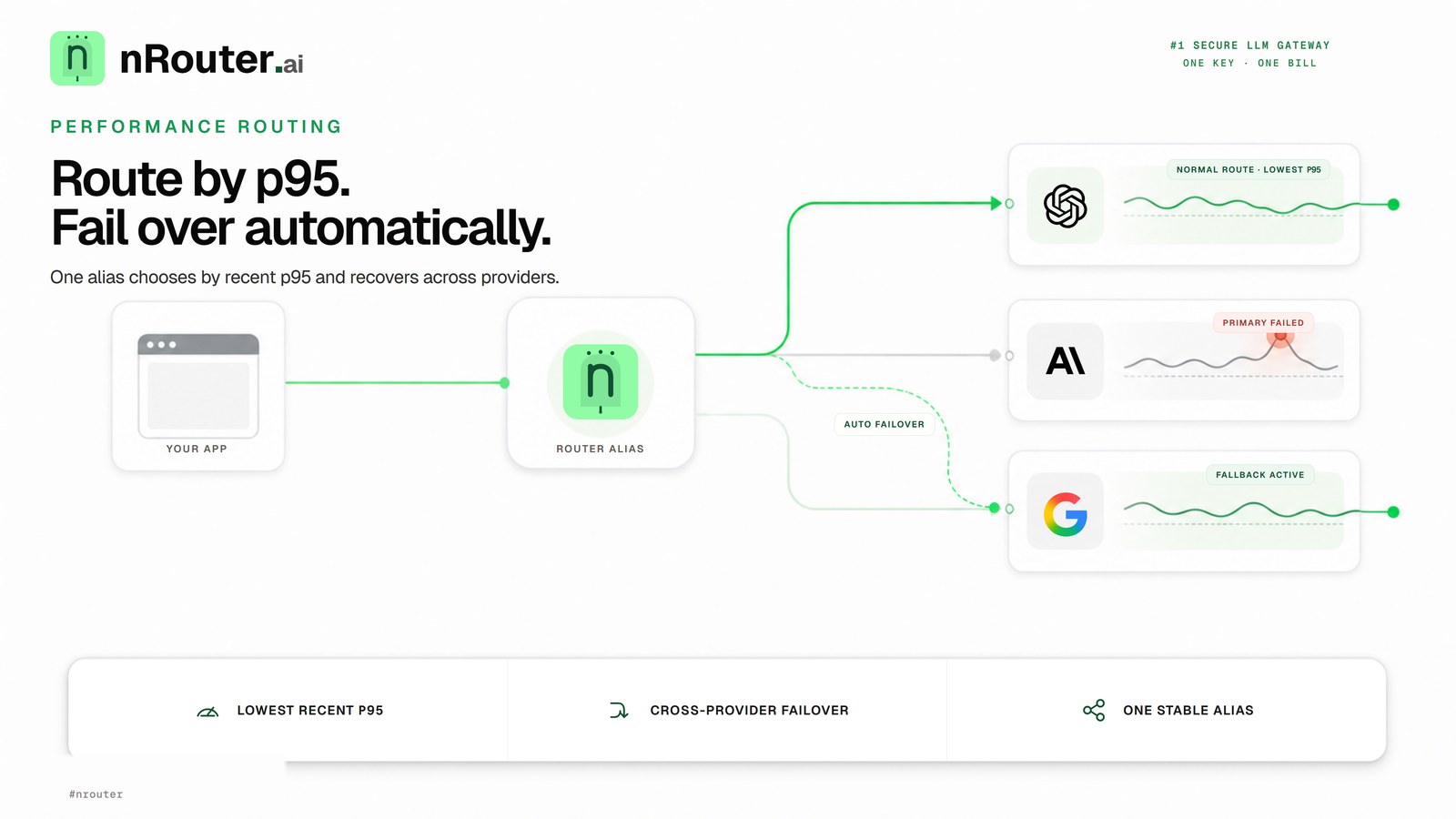
Sub-15ms LLM Gateway Routing with Warm HTTP/2 Pools
How connection pooling, in-memory preflight gating, and multiplexed HTTP/2 streams eliminate cold TCP/TLS handshakes and keep routing overhead under 15ms.
nRouter team
12 minThe nRouter Blog
Our editorial mission: code-first, cost-honest systems engineering for autonomous LLM infrastructure. We publish deep-dives on Rust proxy performance, sub-5ms intent routing, zero-retention guardrails, and enterprise tokenomics. Verified against reproducible benchmarks with zero marketing fluff.
Filter by category, or browse the full archive of deep-dives.
The nRouter blog documents the systems engineering, algorithmic routing, and security practices required to operate autonomous LLM infrastructure at enterprise scale.
In-depth architectural breakdowns of our asynchronous Rust routing engine. Explore zero-copy streaming protocols, connection pooling across providers, and sub-5ms p99 proxy overhead under heavy concurrency.
Technical guides on categorizing incoming prompts across 11 distinct intent categories (from simple QA to complex code synthesis and multi-step agent reasoning) to minimize costs while maintaining peak accuracy.
Rigorous analyses of LLM token economics. Discover practical prompt compression strategies (LLMLingua-2), semantic response caching architectures, and wholesale multi-provider pricing models.
Implementation notes on stateless preflight inspection chains. Learn how real-time prompt injection detection, PII redaction, and secret scanning execute before egress with zero prompt retention.
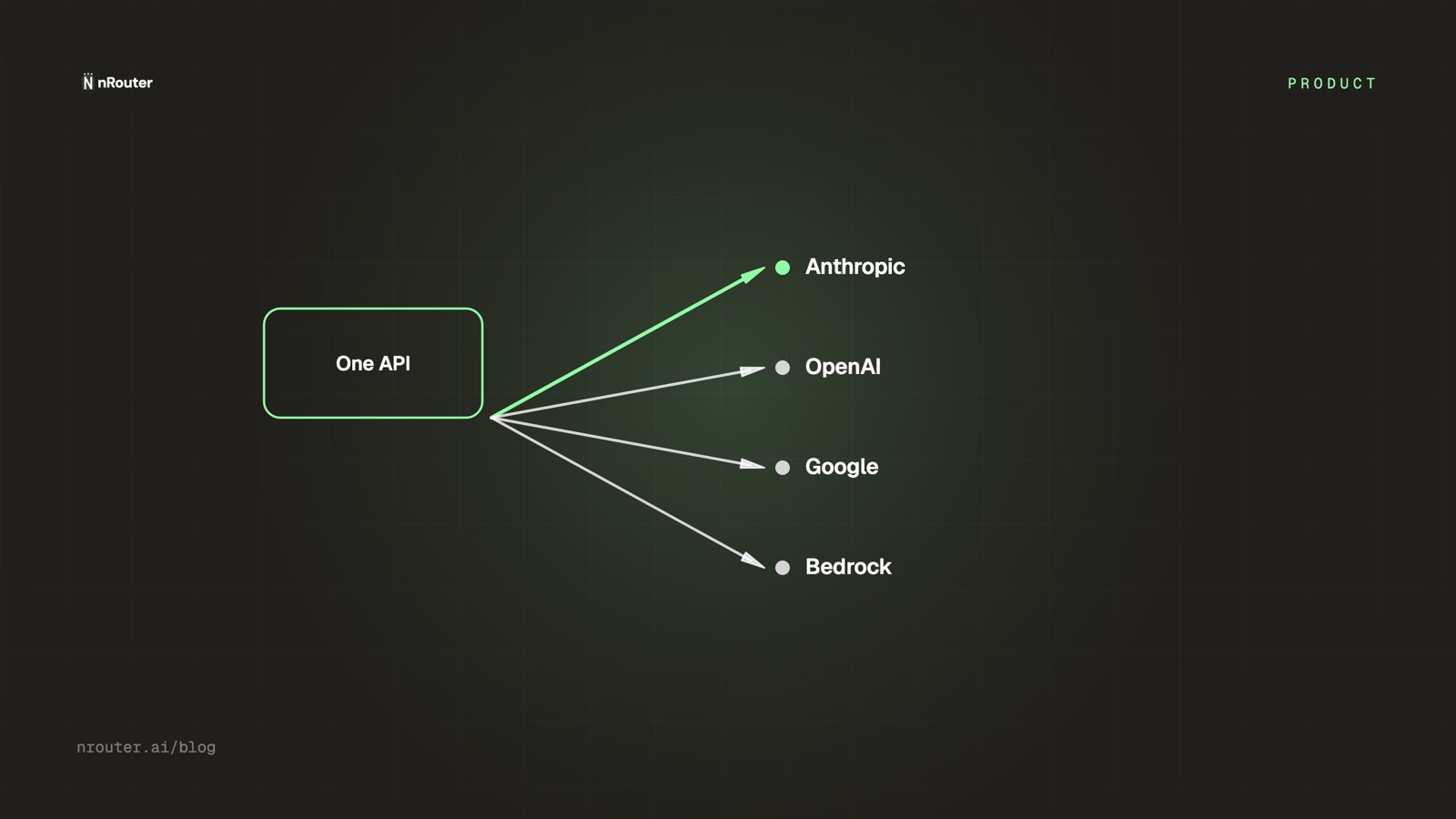
Step-by-step migration guides and code examples for seamlessly transitioning existing OpenAI, Anthropic, or legacy gateway workloads to nRouter with unified virtual keys and dual-axis RBAC.
Our publication is dedicated to engineering rigor, benchmark reproducibility, and cost transparency. We adhere to four strict principles across every technical deep-dive and architectural breakdown.
All latency percentiles (p50, p95, p99), throughput metrics, and token cost comparisons must provide explicit test harness scripts, client concurrency parameters, and raw telemetry data.
Every routing algorithm, guardrail pipeline, and failover design documented in our guides must be tested and proven under real-world production load or rigorous integration test suites.
Articles must evaluate failure modes, operational complexity, and provider trade-offs objectively. We publish code-first technical guides for engineers, not superficial marketing claims.
Guides prioritize copy-pasteable configuration files, executable Rust/TypeScript snippets, and exact HTTP/wire contracts over abstract high-level concepts.
Answers regarding our benchmarks, technical verification standards, and subscription options.
Our publication focuses on the core systems challenges of deploying LLMs in production: low-latency proxy architectures, intelligent semantic routing algorithms, real-time guardrails, and enterprise tokenomics.
All latency metrics, cost reduction percentages, and throughput claims are tested against live production traffic and reproducible test harnesses, with methodology and raw parameters documented in each post.
We publish technical deep-dives and architectural retrospectives weekly, accompanied by continuous release notes and model catalog updates in our changelog.
You can subscribe to email updates below to receive new articles directly in your inbox, or connect our RSS/Atom feed at /feed.xml to your preferred feed reader.
Stay in the loop
One email when a post lands — no digests, no marketing, no tracking pixels. Or wire it into your reader with the RSS feed.
Atom + RSS available · unsubscribe one-click