LLM Observability: Traces, Spend Logs, and Request Debugging
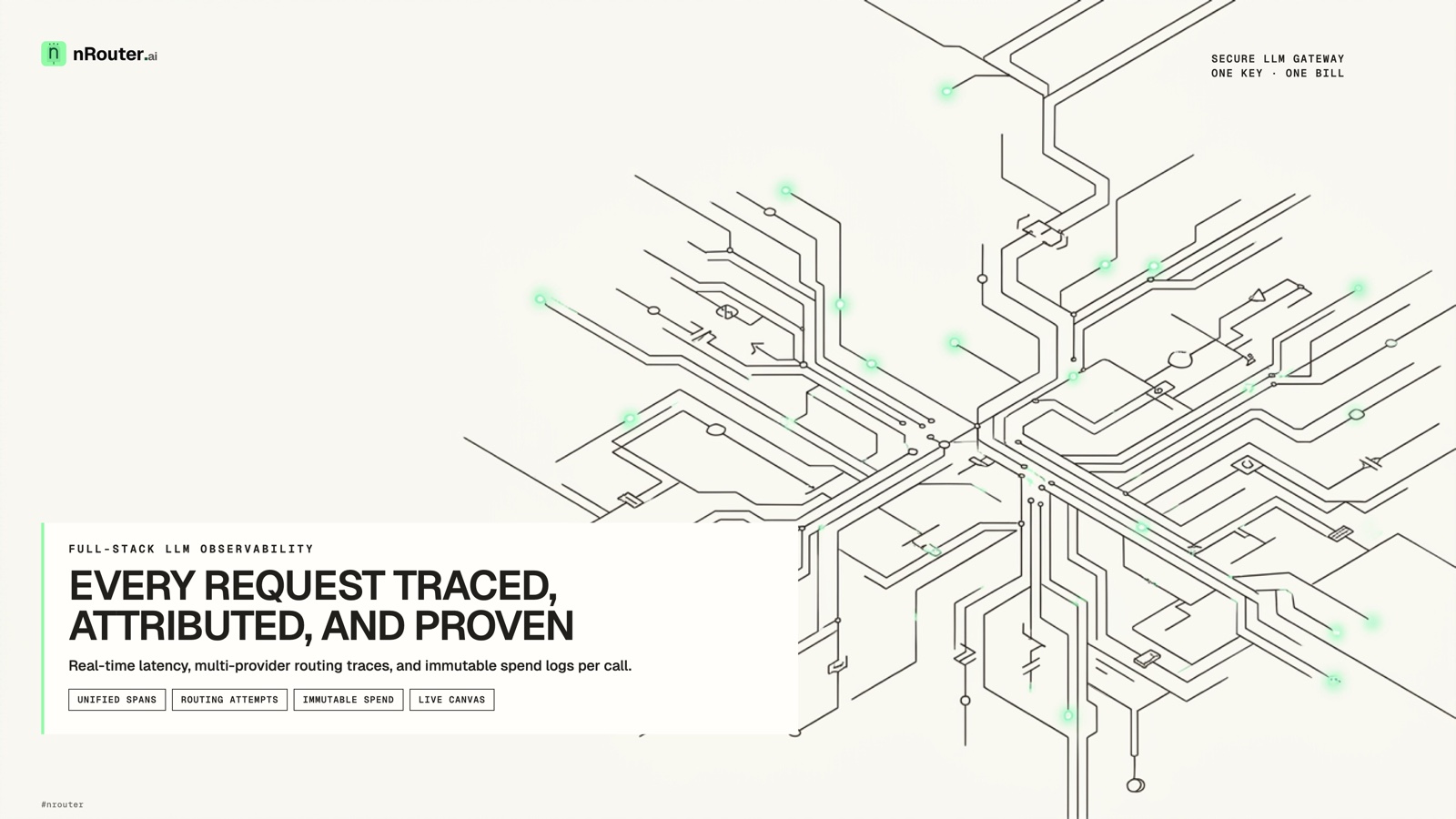
Inspect end-to-end inference traces, exact-cent spend rows, and multi-provider routing decisions in real time with unified OpenTelemetry spans and edge headers.
Without precise cost attribution, enterprises cannot evaluate the ROI of individual AI initiatives or implement fair departmental chargebacks. Granular cost attribution enables engineering organizations to tag inference requests by project, department, environment, or customer ID, providing complete visibility into who is spending what across the entire company infrastructure.
When all internal services share a single API key, engineering managers cannot identify which team or feature is driving sudden spikes in AI expenditure across the company, complicating accountability.
SaaS companies cannot determine the unit economics of individual customer accounts without tracking exact token spend per user session and tenant boundary, risking negative unit economics.
Finance teams waste dozens of hours every month trying to manually reconcile cloud invoices with git commit logs and deployment schedules across departments, introducing human errors.
Multi-tenant applications struggle to isolate customer token usage, risking unprofitable contracts with high-volume enterprise users who exceed planned consumption without visibility.
Attaches custom key-value pairs (e.g. project:checkout, env:prod, client:acme) to every request.
Hierarchical organization partitioning tracking spend across engineering departments automatically.
Standardized cost attribution fields compatible with cloud cost management and BI platforms.
nRouter makes AI cost attribution effortless and automatic. Every virtual key can be tagged with custom metadata—including team, project, environment, and customer identifiers. As inference requests execute, nRouter immutably stamps these tags onto the 22-column spend record. The dashboard provides instant breakdowns of spend by team, key, and tag, while automated exports feed directly into your corporate FinOps tools for seamless internal chargebacks and precise unit economics.
Learn how to implement tagging taxonomies, set up team-level chargebacks, and track per-customer AI profit margins.

Inspect end-to-end inference traces, exact-cent spend rows, and multi-provider routing decisions in real time with unified OpenTelemetry spans and edge headers.

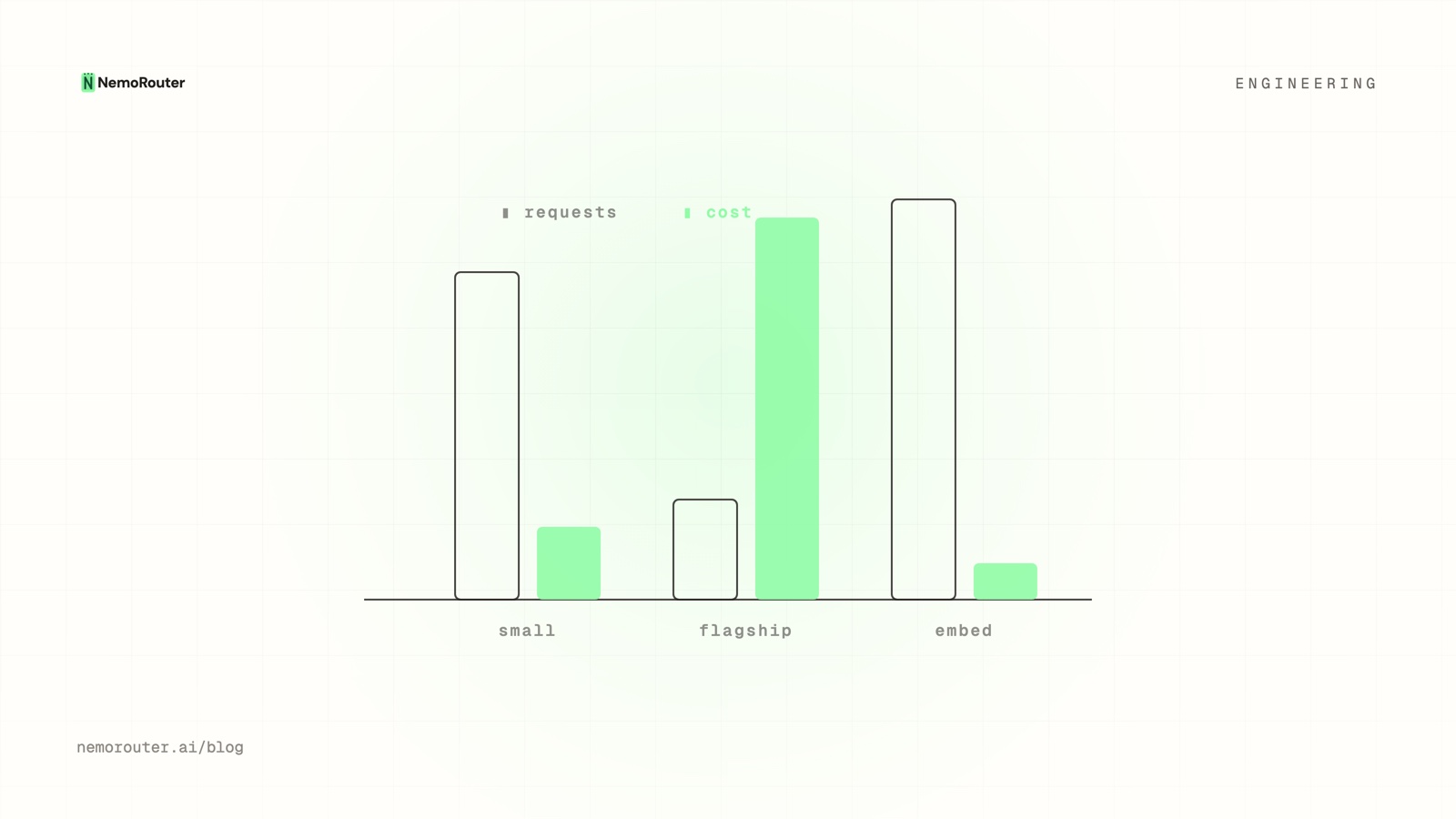
Request count and dollar cost tell different stories, and the gap between them is where the savings are. Here are the four shapes an overlay of cost and usage produces, which one to chase first, and what makes the numbers trustworthy enough to act on.

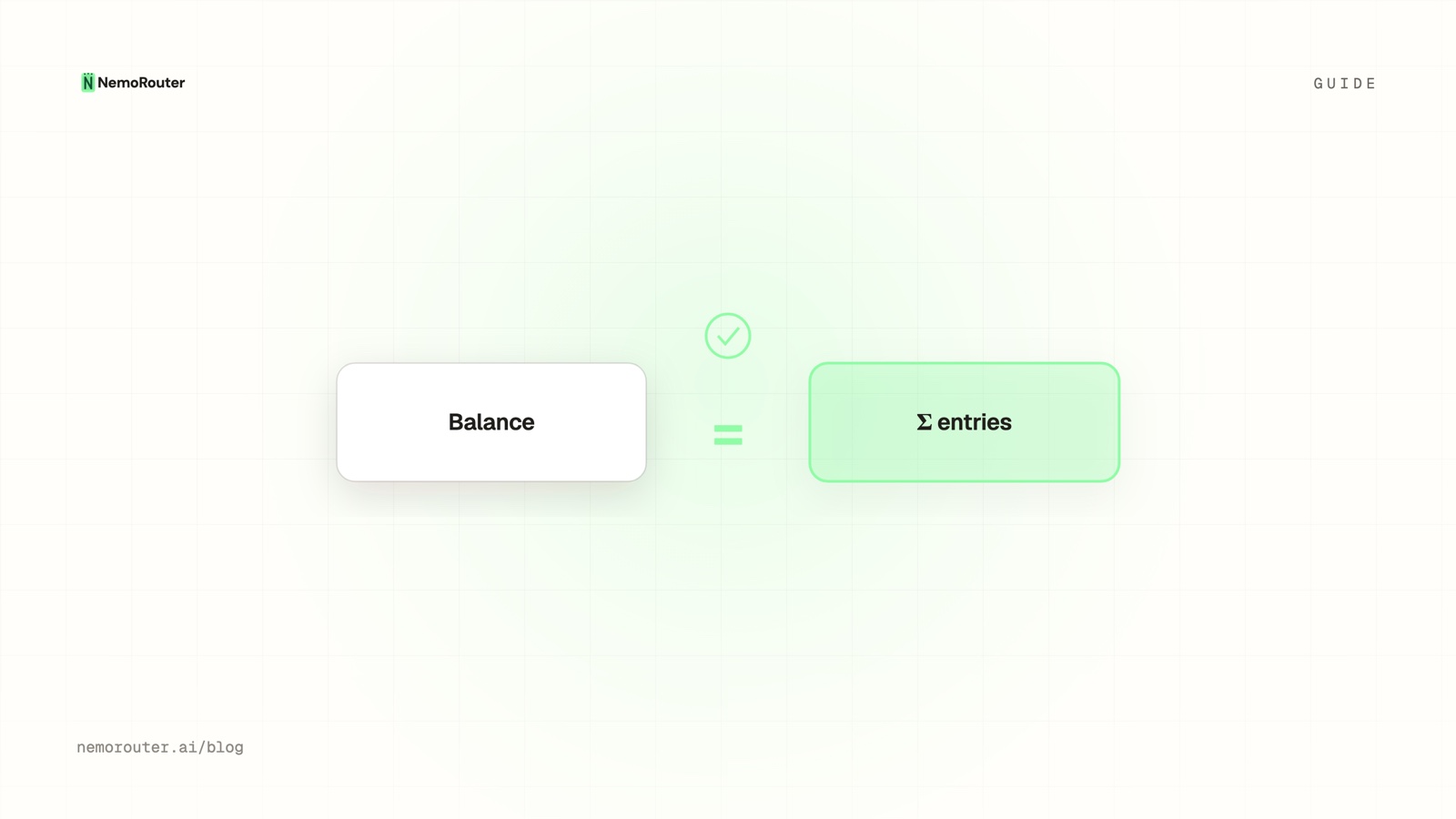
Your balance is not a stored number, it is the sum of a ledger. Here is how to read the four numbers on the balance card, the entry types behind them, and the two identities that prove your balance is doing what it should.

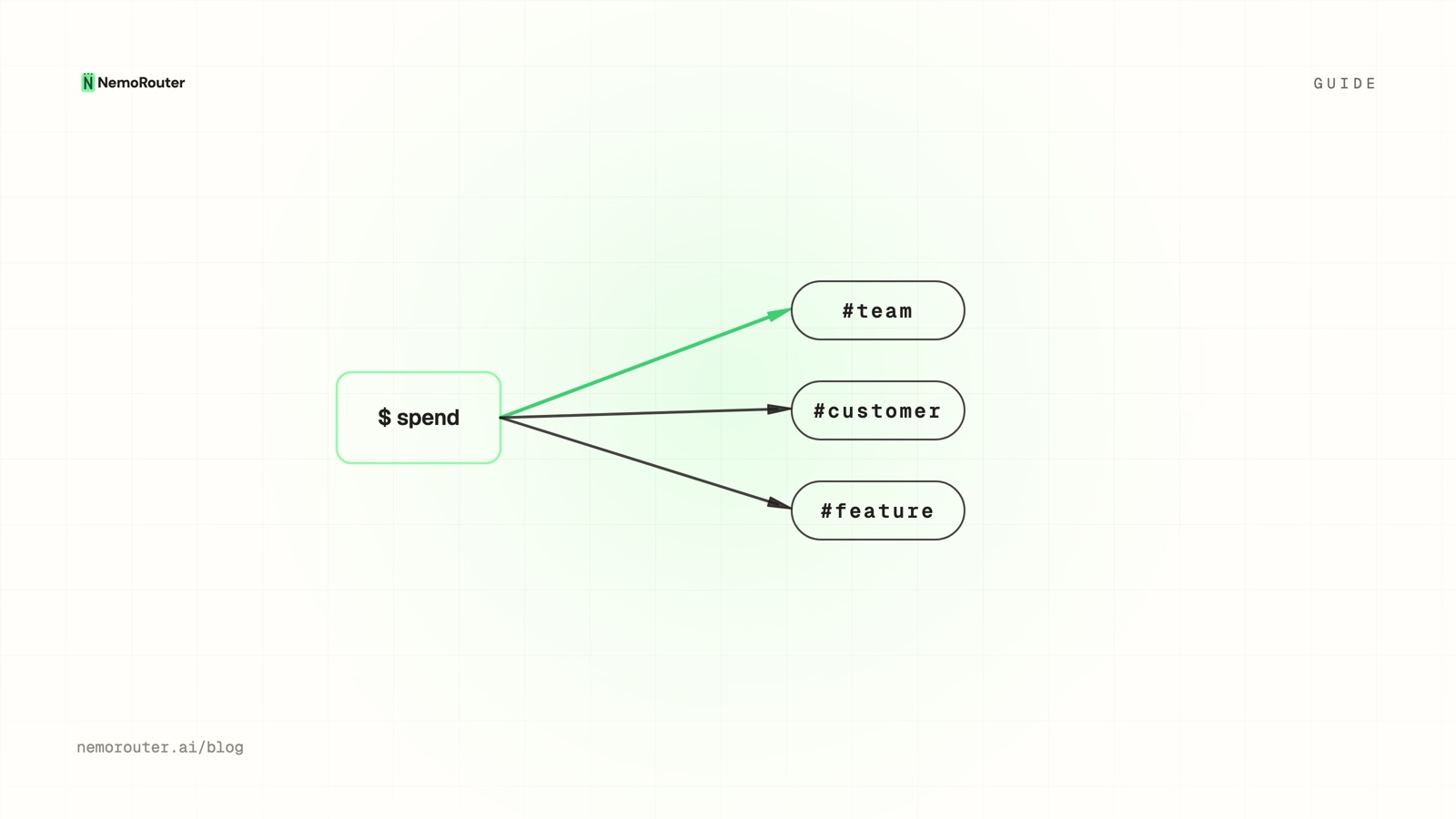
"The AI bill went up" becomes a query once spend carries structure. Three attribution layers — virtual keys, teams, and the OpenAI-spec user field — turn one opaque total into a breakdown you can group, filter, and cap.

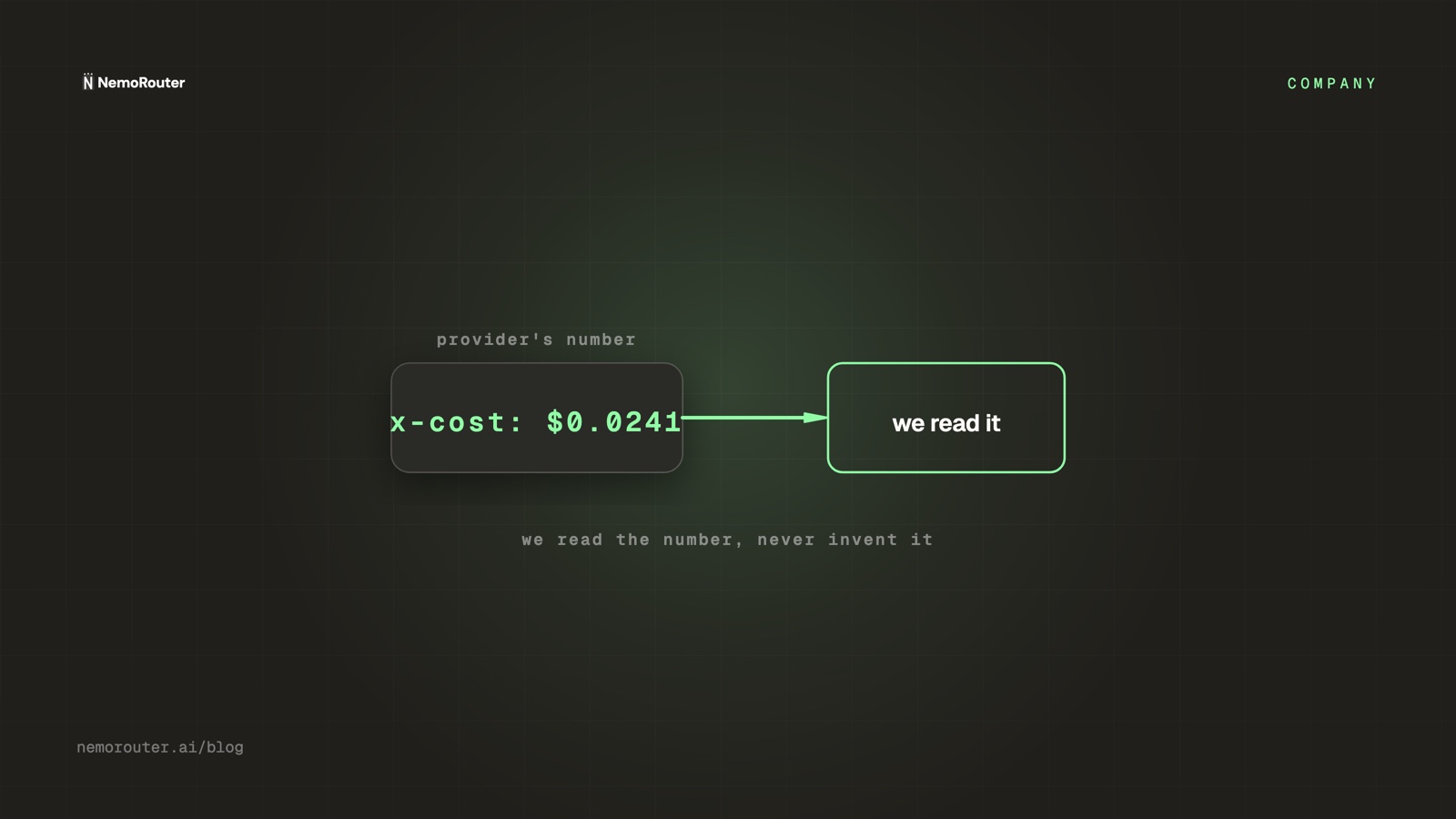
Why nRouter reads the settled LLM cost directly from providers instead of guessing, and why unknown model costs are reported as unpriced rather than as $0.

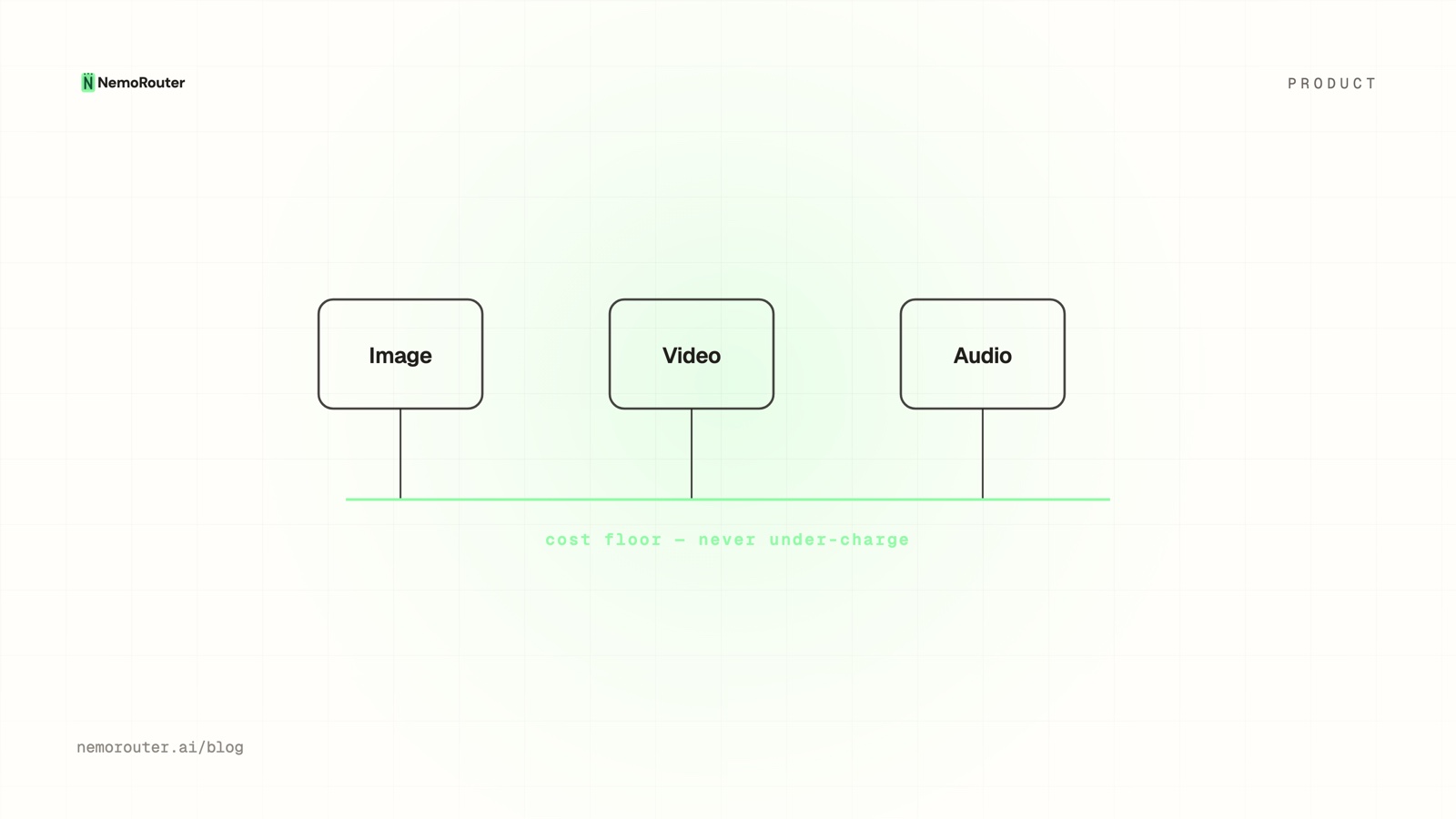
Image, video and audio models price per image, per second and per minute, not per token — and the expensive ones are the newest ones. nRouter holds a modality-appropriate reservation before the call and reports an unknowable cost as unpriced, never as zero.

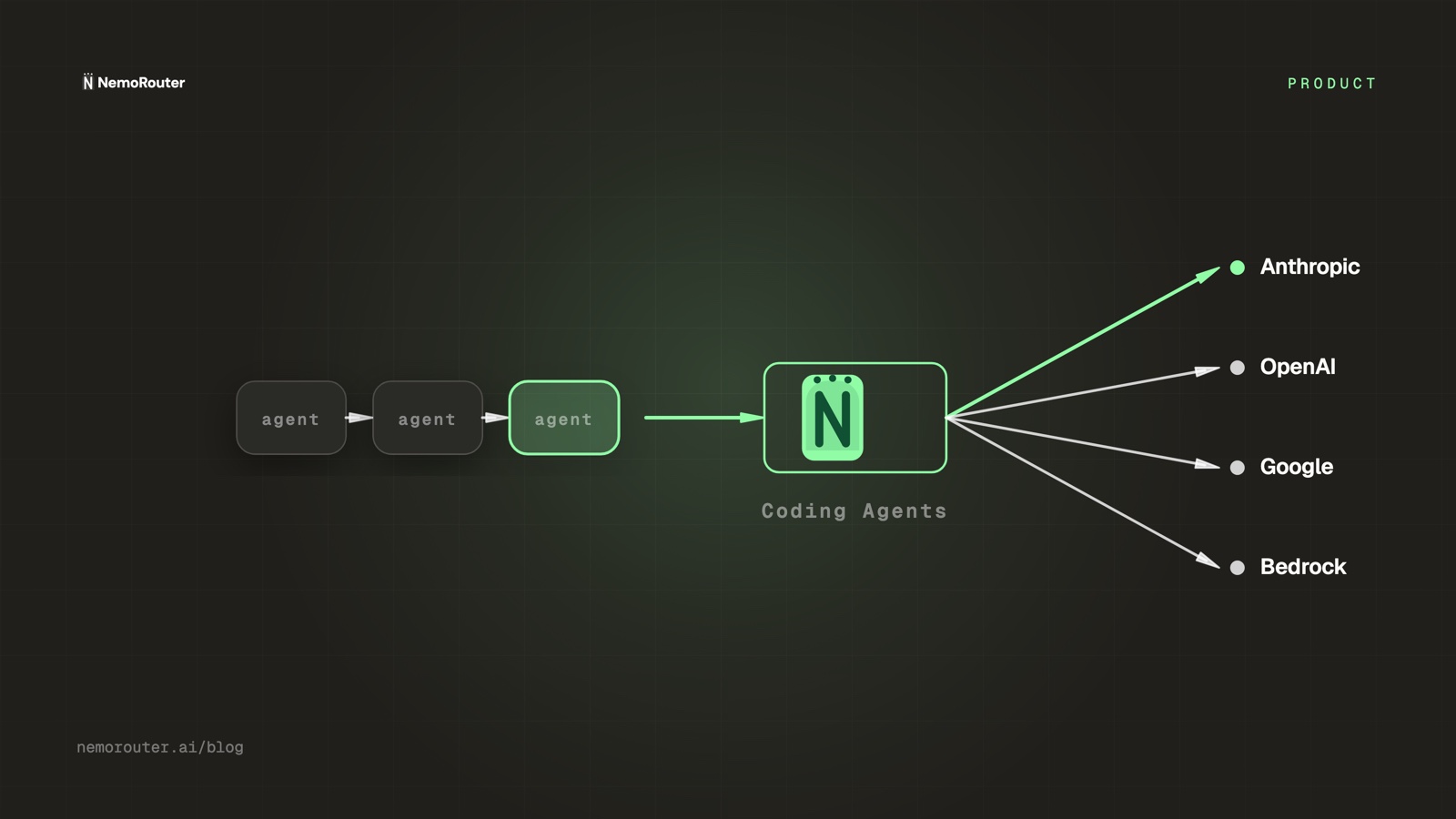
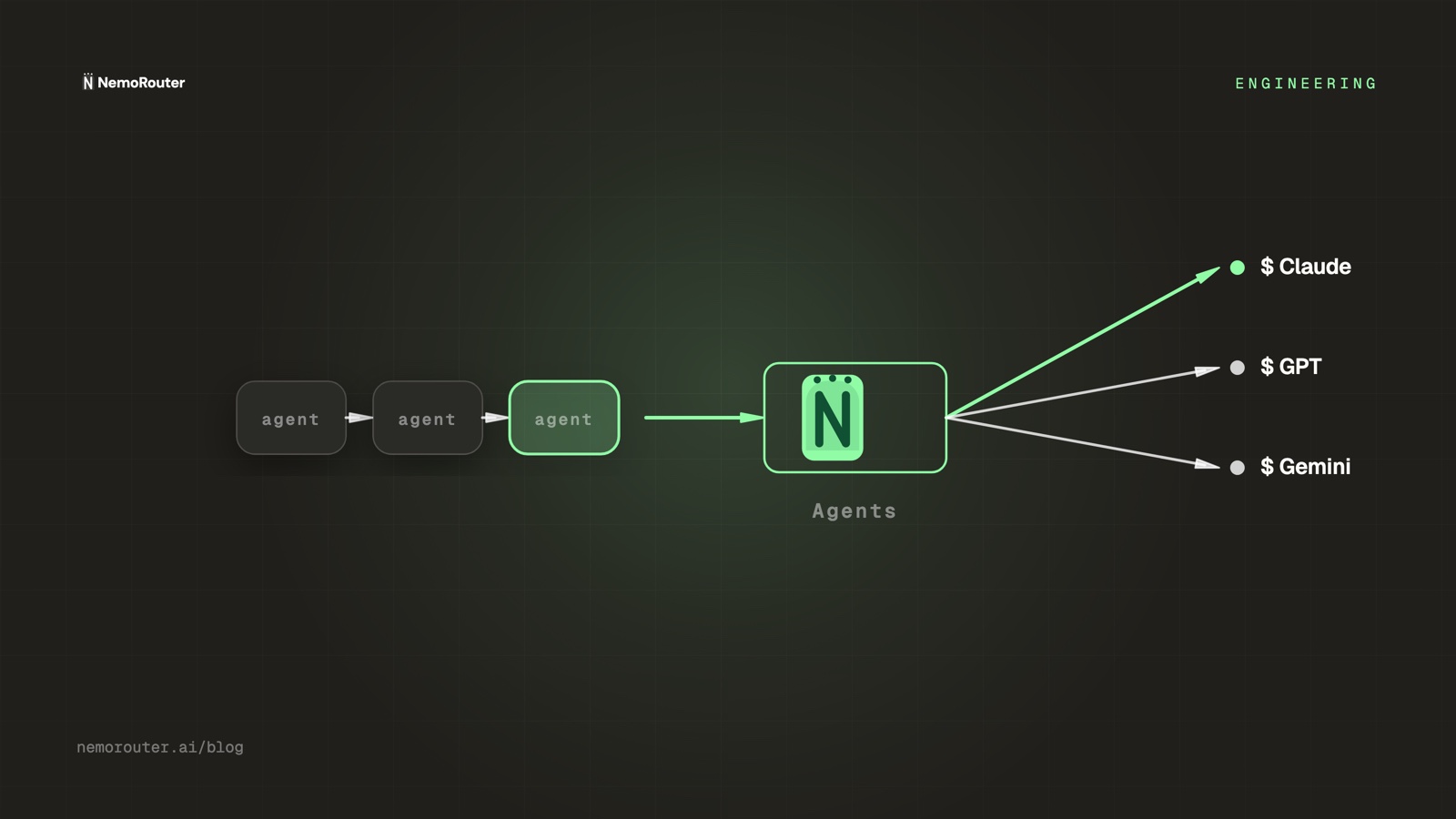
A coding agent turns one task into hundreds of model calls. Here is how a gateway gives each run a hard ceiling that holds under burst, a fallback path that does not strand a half-finished edit, and a cost you can read per task.

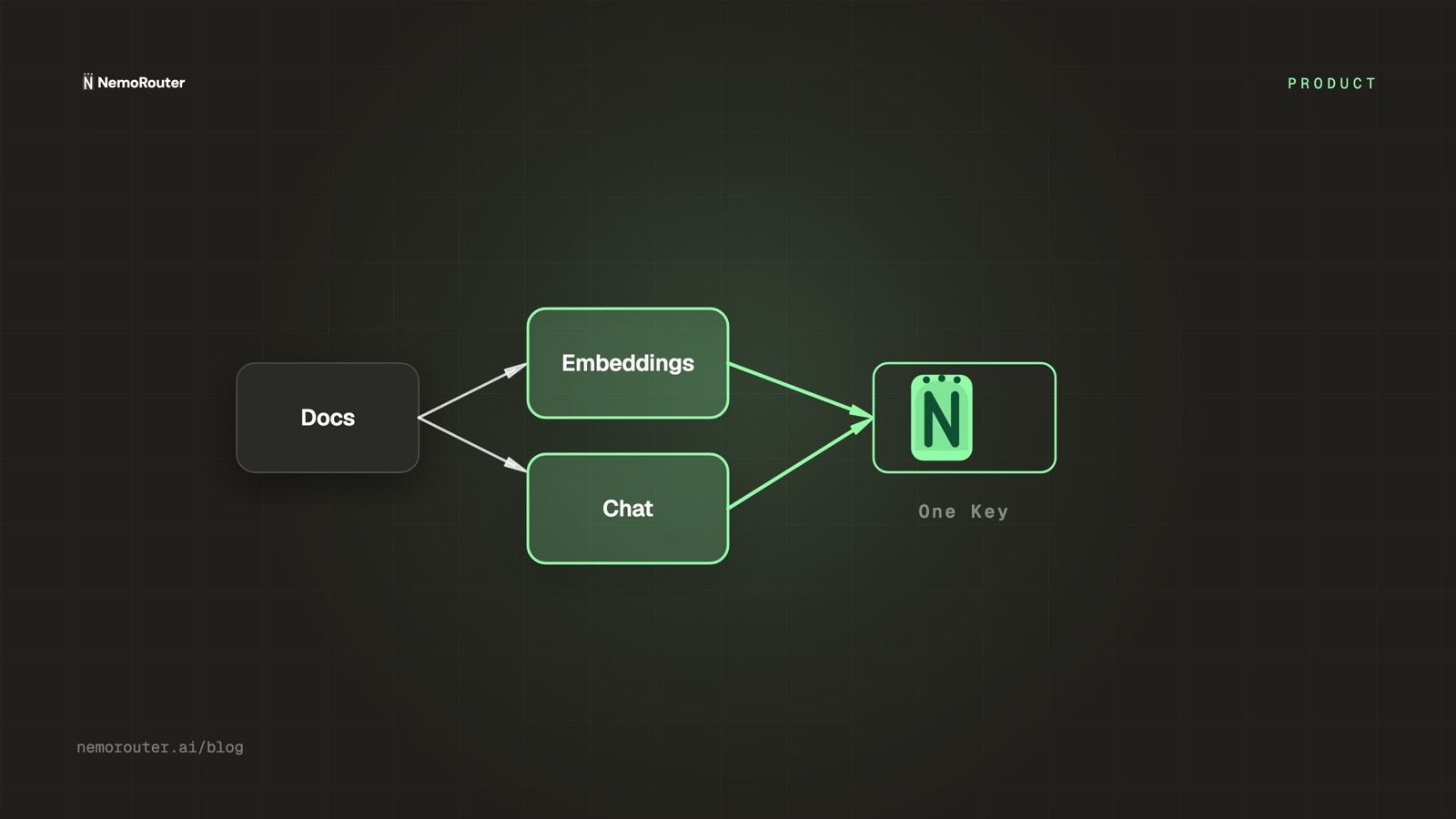
A RAG app makes two kinds of model call and most teams only ever price one of them. Put embeddings and chat behind one gateway key and the cost of answering a question becomes a single number, under a single budget, with one fallback.

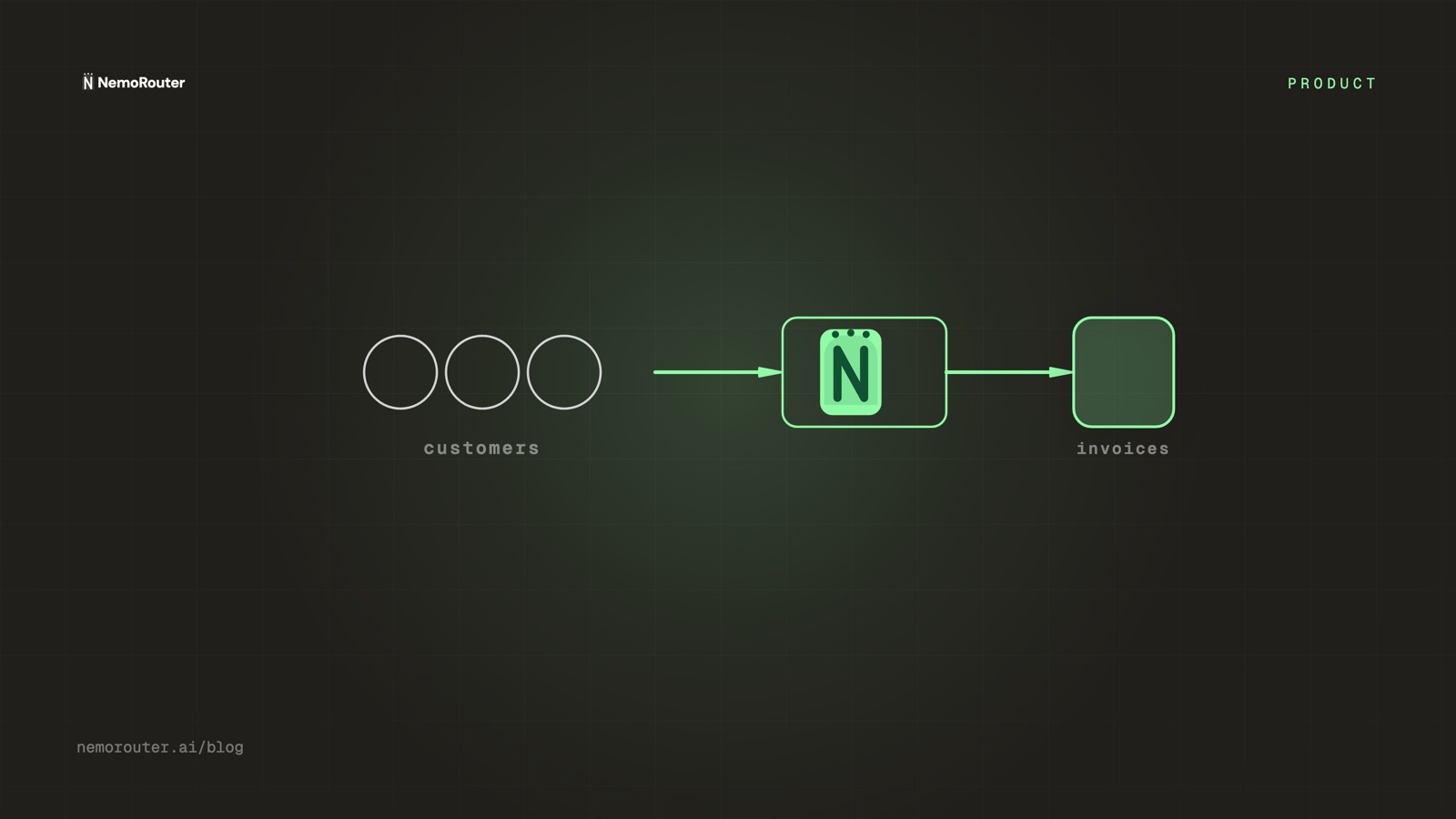
If you resell AI, the model bill is the wrong unit. Attribute every call to the customer it served with the OpenAI user field, cap each customer independently, and reconcile the sum against your ledger to the cent.

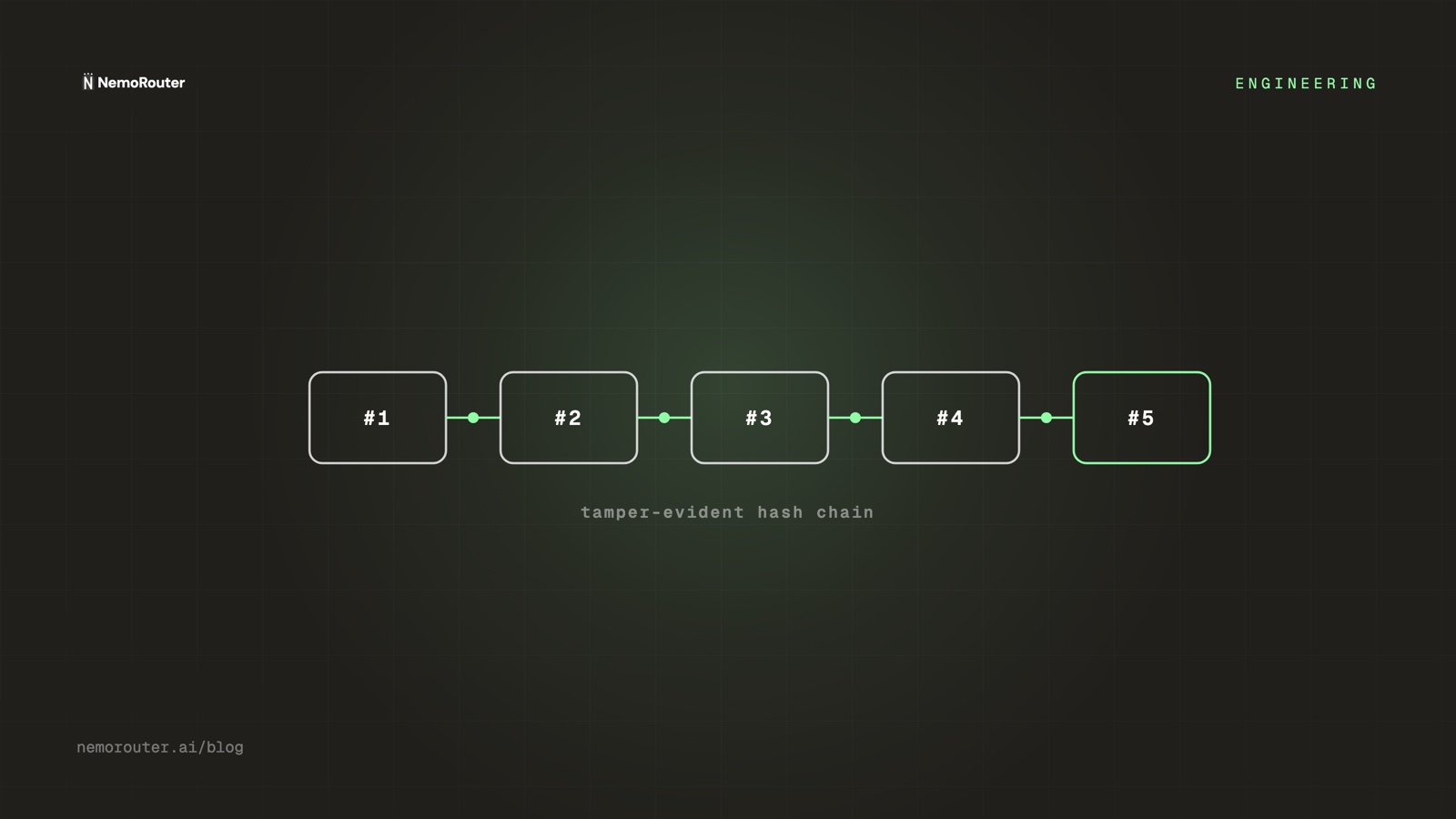
"Who rotated that key, and from where?" should be a filter, not an archaeology project. Here is the audit-trail contract we hold ourselves to on an LLM gateway: complete actor attribution, one shared client-IP path, append-only entries, and reads that are role-scoped and tenant-isolated.

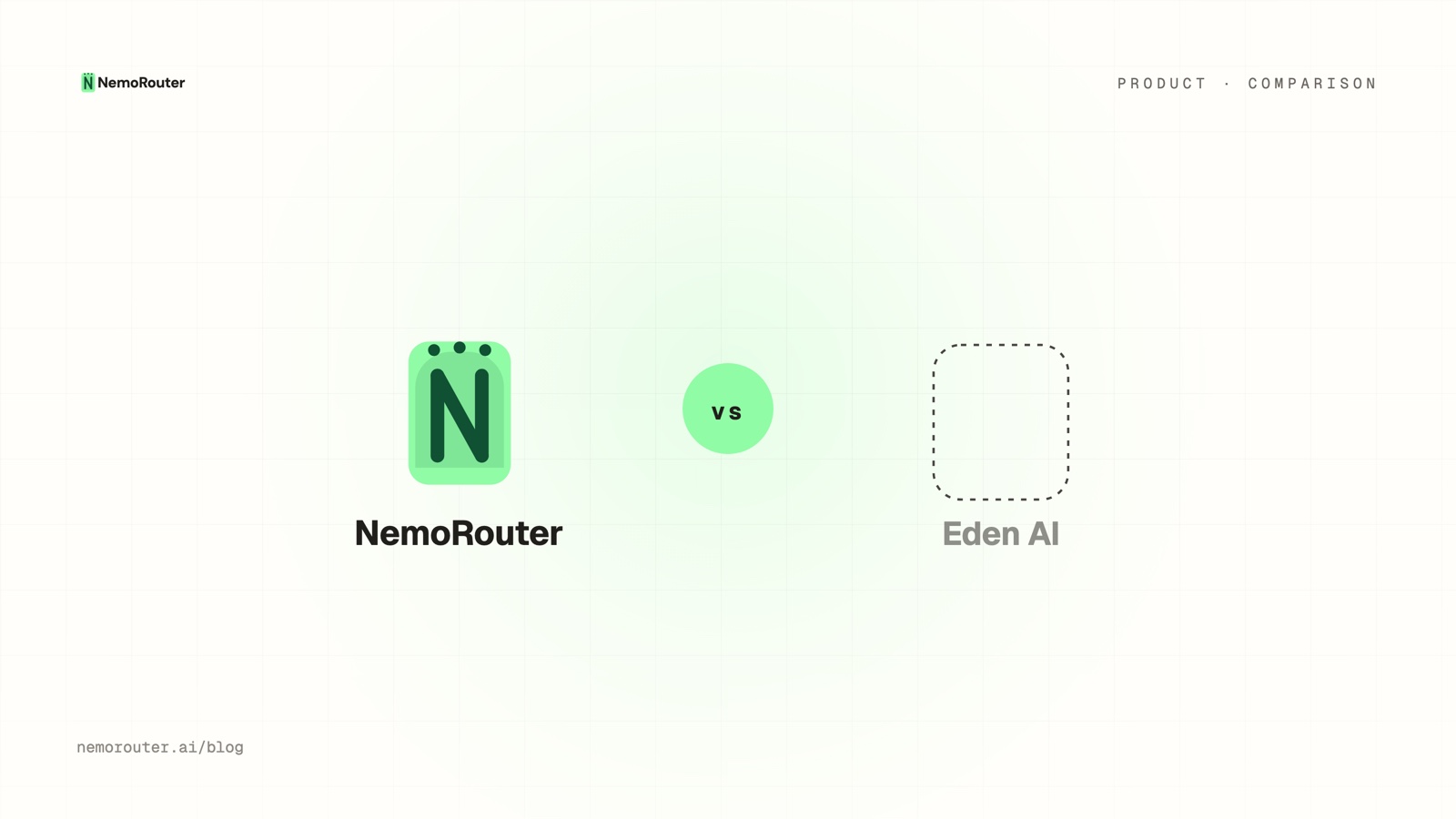
nRouter vs Eden AI for teams running OCR, vision and translation alongside their LLM traffic. What a focused gateway serves, what it deliberately does not, and how to split a multi-service invoice before you move anything.

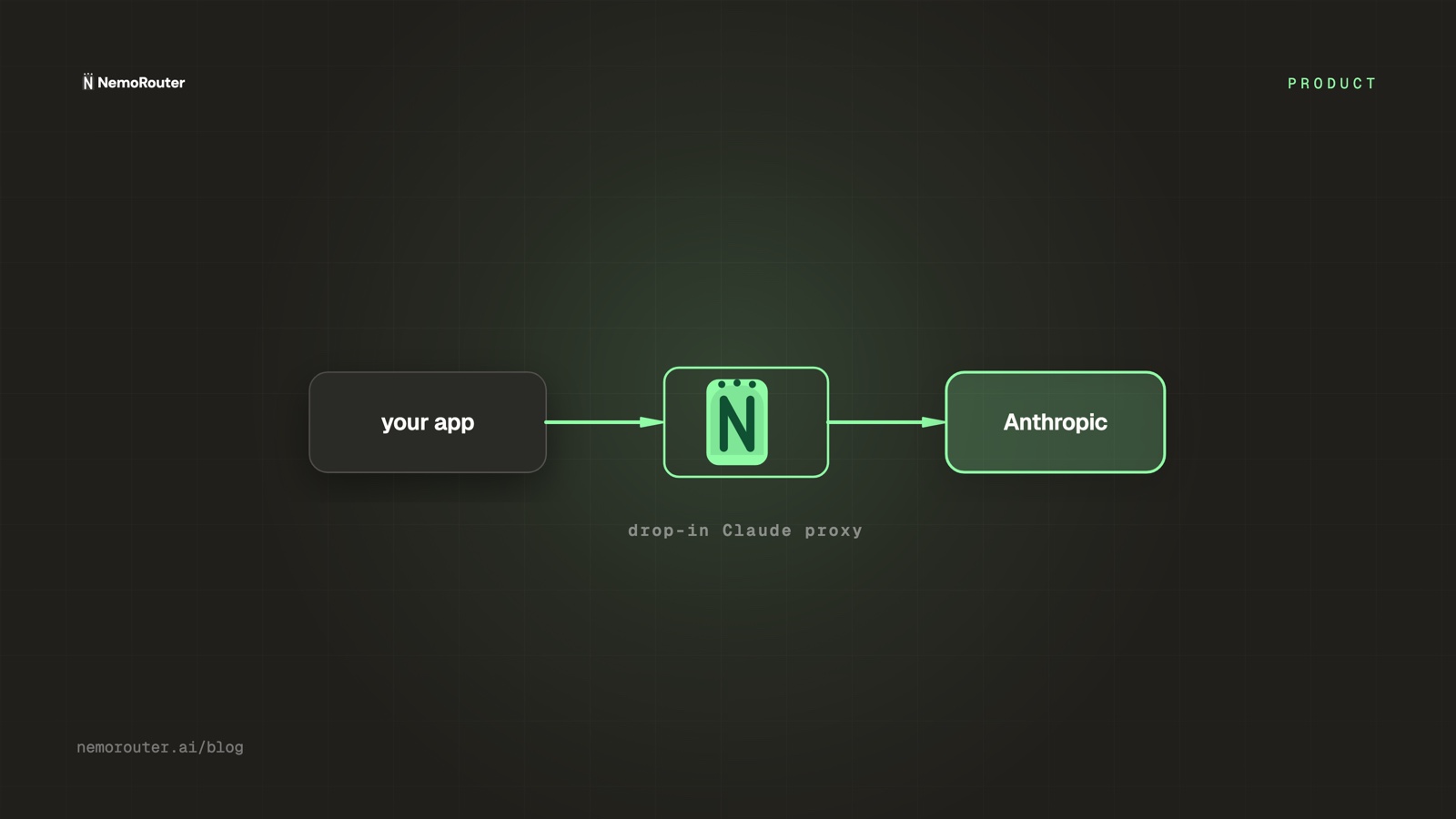
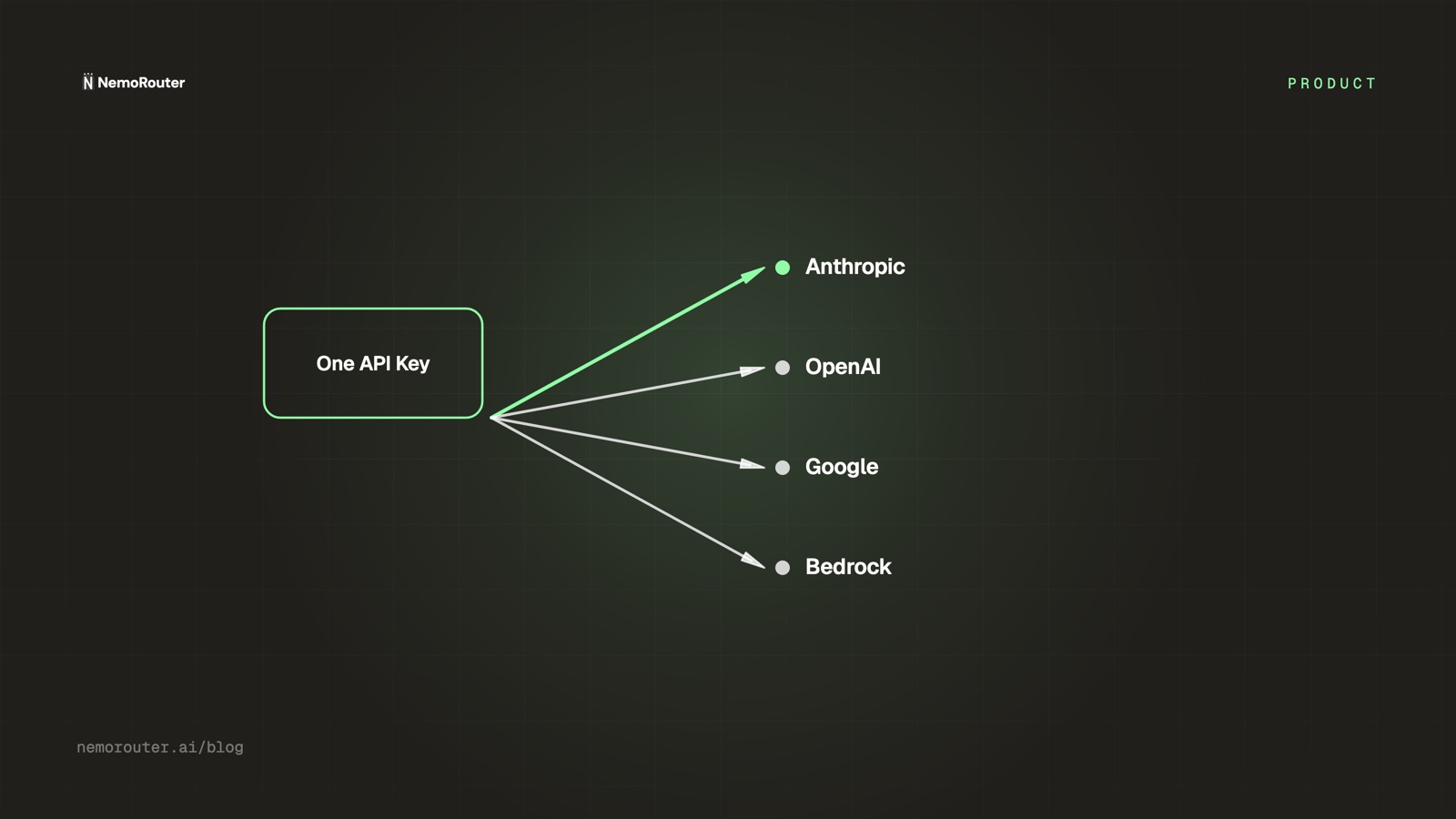
Point your Anthropic client at one gateway base URL and every Claude call arrives with a hard budget, a fallback path, a per-request cost header, and a team it can be billed to. No SDK rewrite, no provider key to paste.
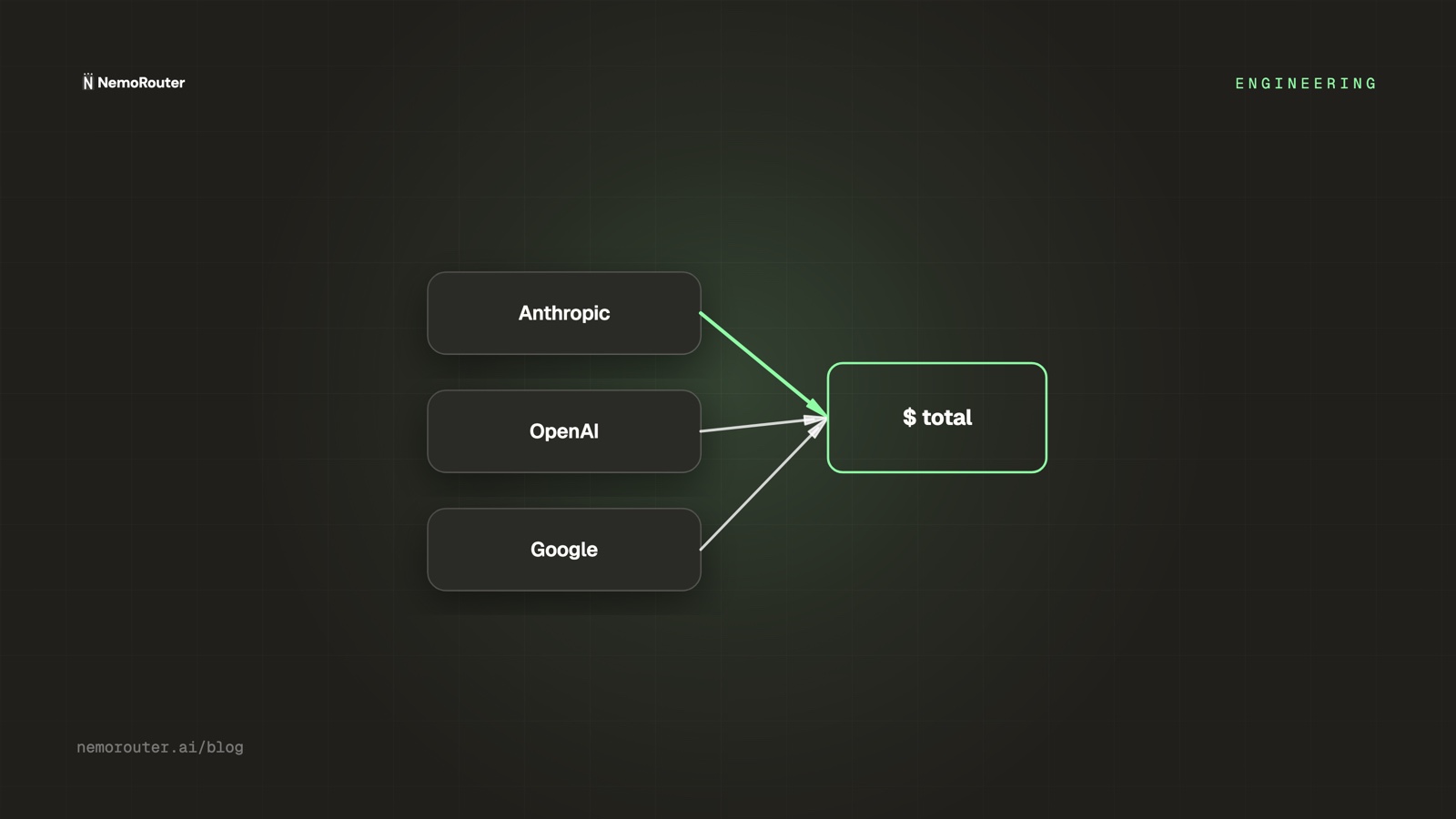
Provider pricing does not normalize on its own — per-token, per-image, per-second, provisioned. Here is how nRouter turns that into one settled cost per request that your app, your ledger and your dashboard all read, and why an unknown cost is reported as absent rather than as zero.

nRouter is a managed LLM gateway. One OpenAI-compatible key reaches every model in your catalog, every response carries its exact cost, and guardrails, budgets, A/B tests and prompt management are on every plan, not gated.
Attribute LLM spend across multi-agent workflows by role, run, and step, reconcile usage against the credit ledger, and enforce hard gateway budget caps.