

Engineering
Sub-15ms LLM Gateway Routing with Warm HTTP/2 Pools
How connection pooling, in-memory preflight gating, and multiplexed HTTP/2 streams eliminate cold TCP/TLS handshakes and keep routing overhead under 15ms.
nRouter team
12 minRead →Scaling enterprise generative AI requires world-class systems engineering from the network edge to downstream model backends. High-performance AI infrastructure demands low-latency proxy architectures, memory-safe execution runtimes, asynchronous connection pooling, and zero-copy streaming to sustain tens of thousands of concurrent inference streams under demanding enterprise SLAs without performance degradation or memory bloat.
Traditional proxy stacks written in Python, Node, or Go suffer from unpredictable stop-the-world garbage collection pauses that introduce severe tail latency and degrade real-time streaming user experiences for end users and client applications.
Maintaining connection state and buffers for tens of thousands of concurrent Server-Sent Event (SSE) streams in dynamic languages consumes massive amounts of RAM, driving up server costs and crashing gateway nodes.
Repeatedly establishing TLS 1.3 connections to disparate model providers introduces significant handshake latency and exhausts available operating system network ports under heavy load spikes.
Synchronous blocking calls or unoptimized thread locks degrade gateway throughput during sudden traffic surges, causing request queue pileups, elevated p99 latency, and dropped network packets.
Non-blocking, event-driven concurrency engine delivering sub-5ms p99 latency under 15,000+ RPS.
Persistent HTTP/2 multiplexed sockets eliminating TLS handshake overhead on egress requests.
Streams token chunks directly from provider sockets to client responses with minimal memory allocations.
Engineered entirely in Rust, nRouter sets the standard for high-performance AI infrastructure. Leveraging the Tokio async runtime and Axum web framework, nRouter delivers sub-5ms p99 proxy overhead and effortlessly handles tens of thousands of simultaneous streaming connections with minimal memory utilization. By utilizing pre-warmed connection pools, zero-copy buffer management, and native compiled execution, nRouter provides the rock-solid foundation required for enterprise AI workloads.
Read our technical architecture papers, benchmark methodologies, and systems engineering breakdowns below.
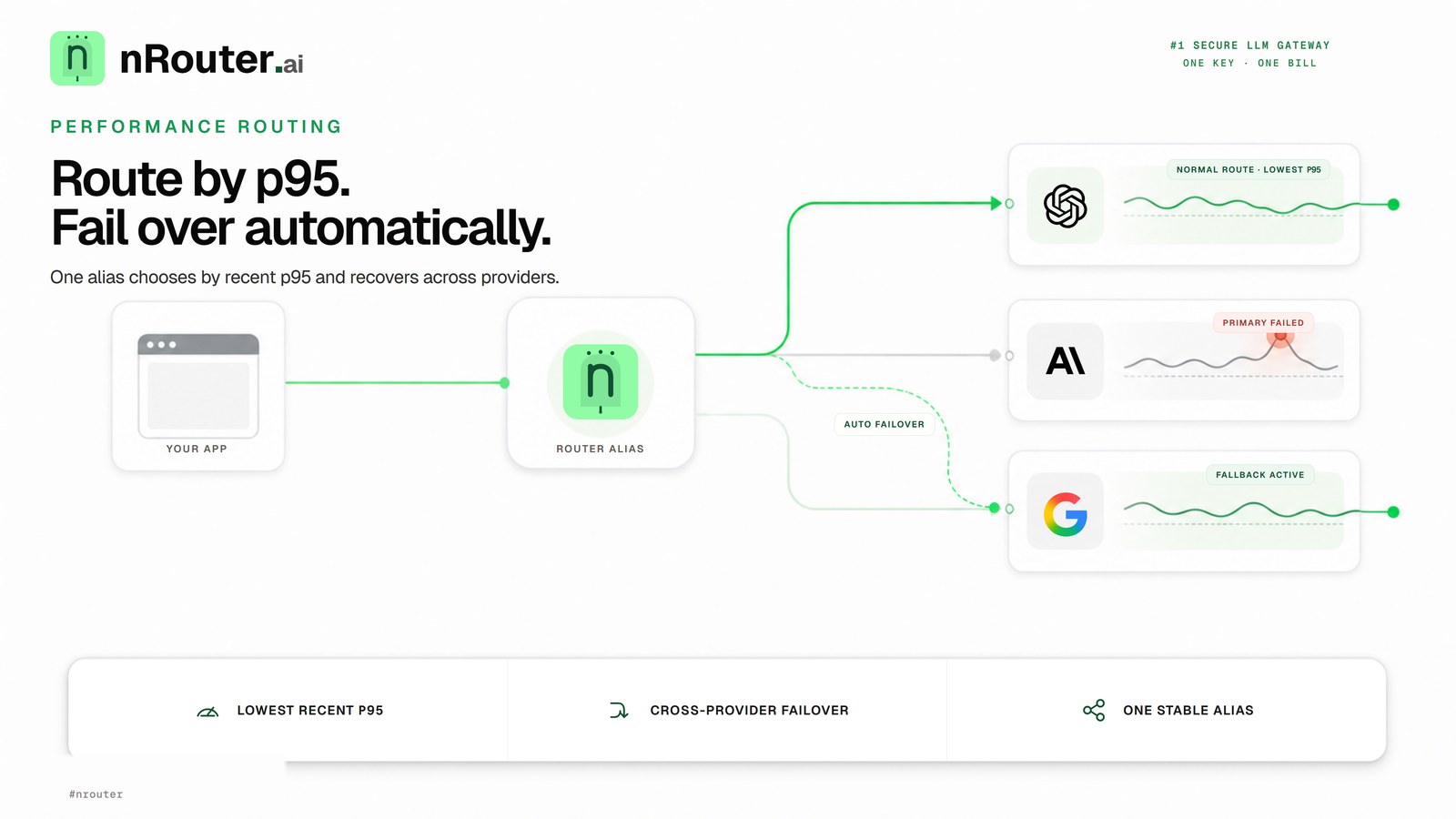
How connection pooling, in-memory preflight gating, and multiplexed HTTP/2 streams eliminate cold TCP/TLS handshakes and keep routing overhead under 15ms.
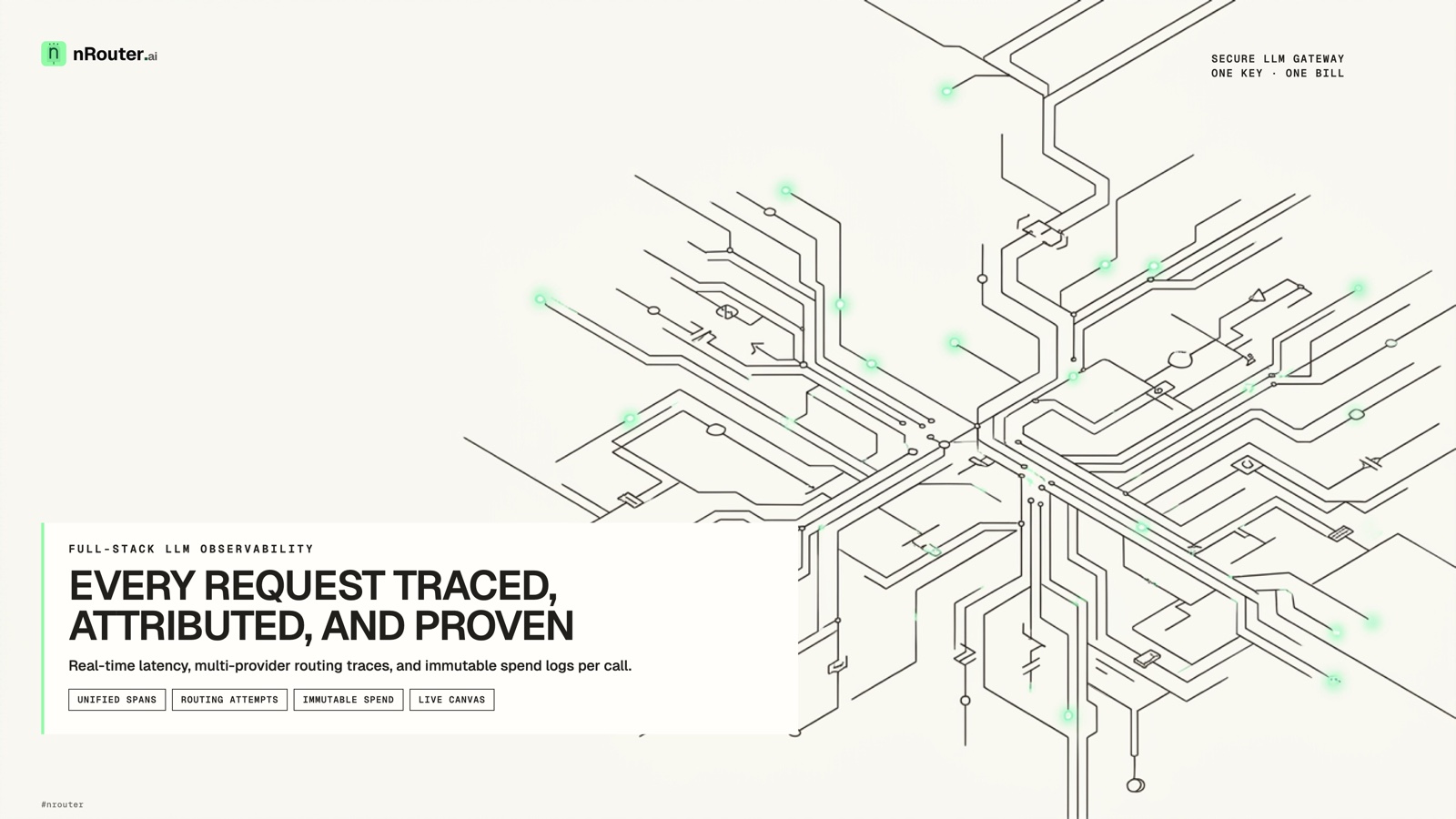
Inspect end-to-end inference traces, exact-cent spend rows, and multi-provider routing decisions in real time with unified OpenTelemetry spans and edge headers.
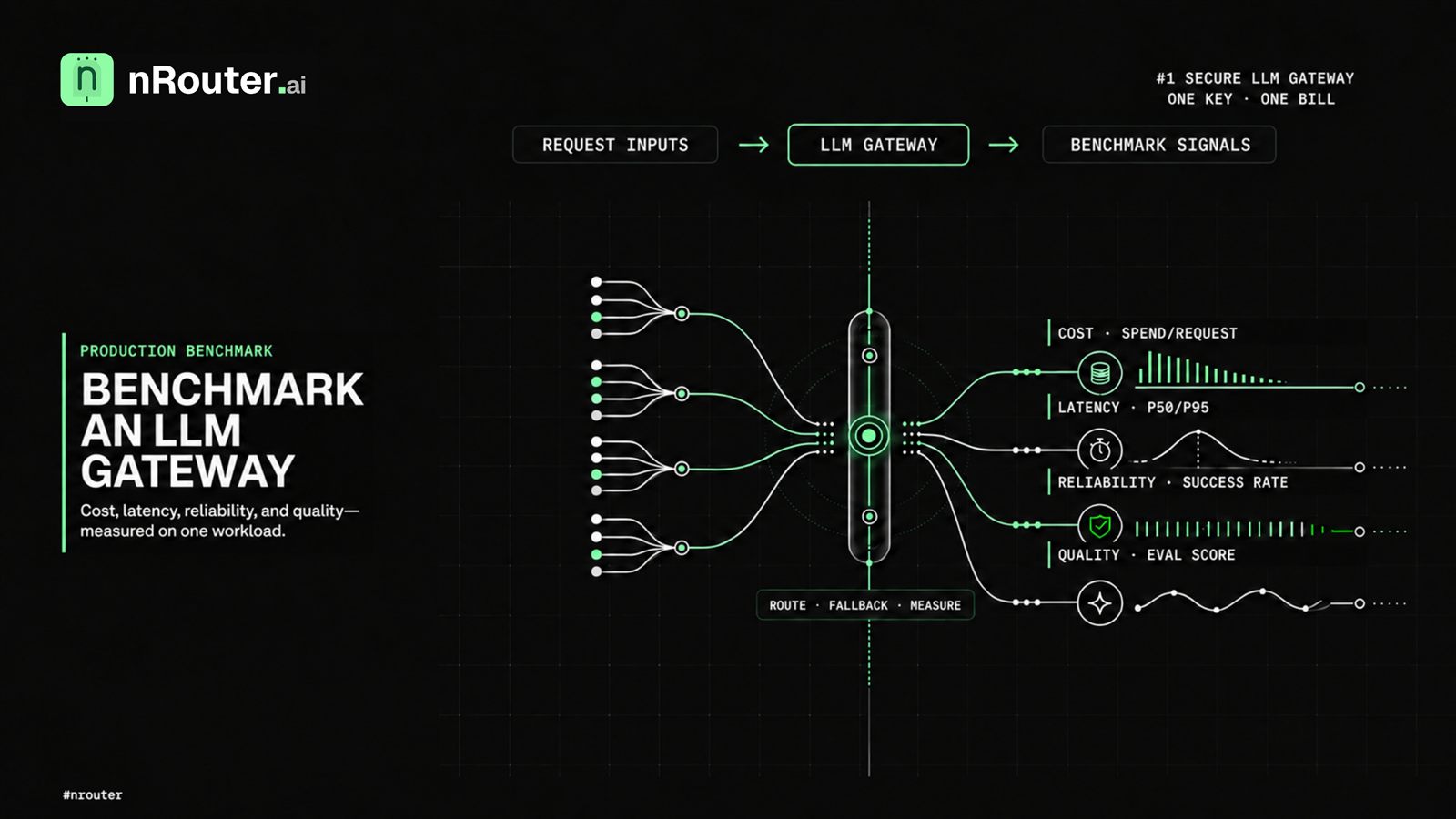
Benchmark an LLM gateway under production load with repeatable measurements for provider cost, tail latency, fallback recovery, and answer output quality.
Build the internal business case for an LLM gateway on four quantifiable outcomes: total spend reduction, cost per call, tail latency, and developer speed.
Why nRouter is a managed LLM gateway rather than self-hosted software: the operational burden of proxy hosting, and when running your own infra still wins.
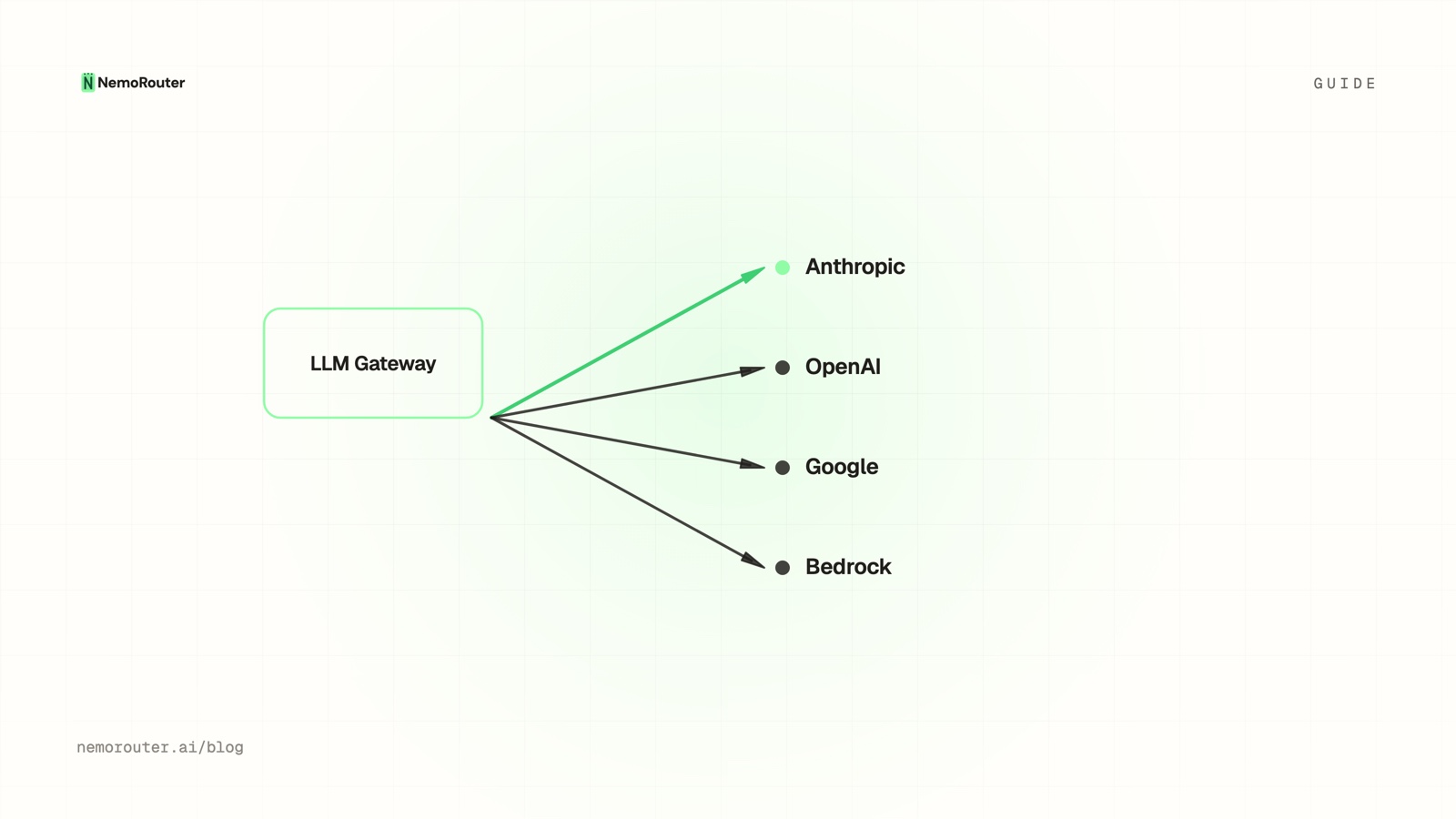
An LLM gateway is one endpoint in front of every model provider that owns six cross-cutting jobs — auth, cost, limits, safety, observability and failover. What it does, what happens to a request inside it, and when you need one.
TrueFoundry's gateway is one module of a platform that also sells model deployment, GPU serving, and agent, MCP and skills registries — metered by requests and by seat. nRouter sells the gateway alone, priced as a share of model spend. A procedure for deciding which purchase you are making.
Kong's AI plugins put LLM governance in the data plane you already run — and leave you running it: provider credentials in plugin config, Redis behind the rate limiter, SSO and audit logging on the Enterprise tier. nRouter is the other trade: a managed endpoint that holds the provider keys.
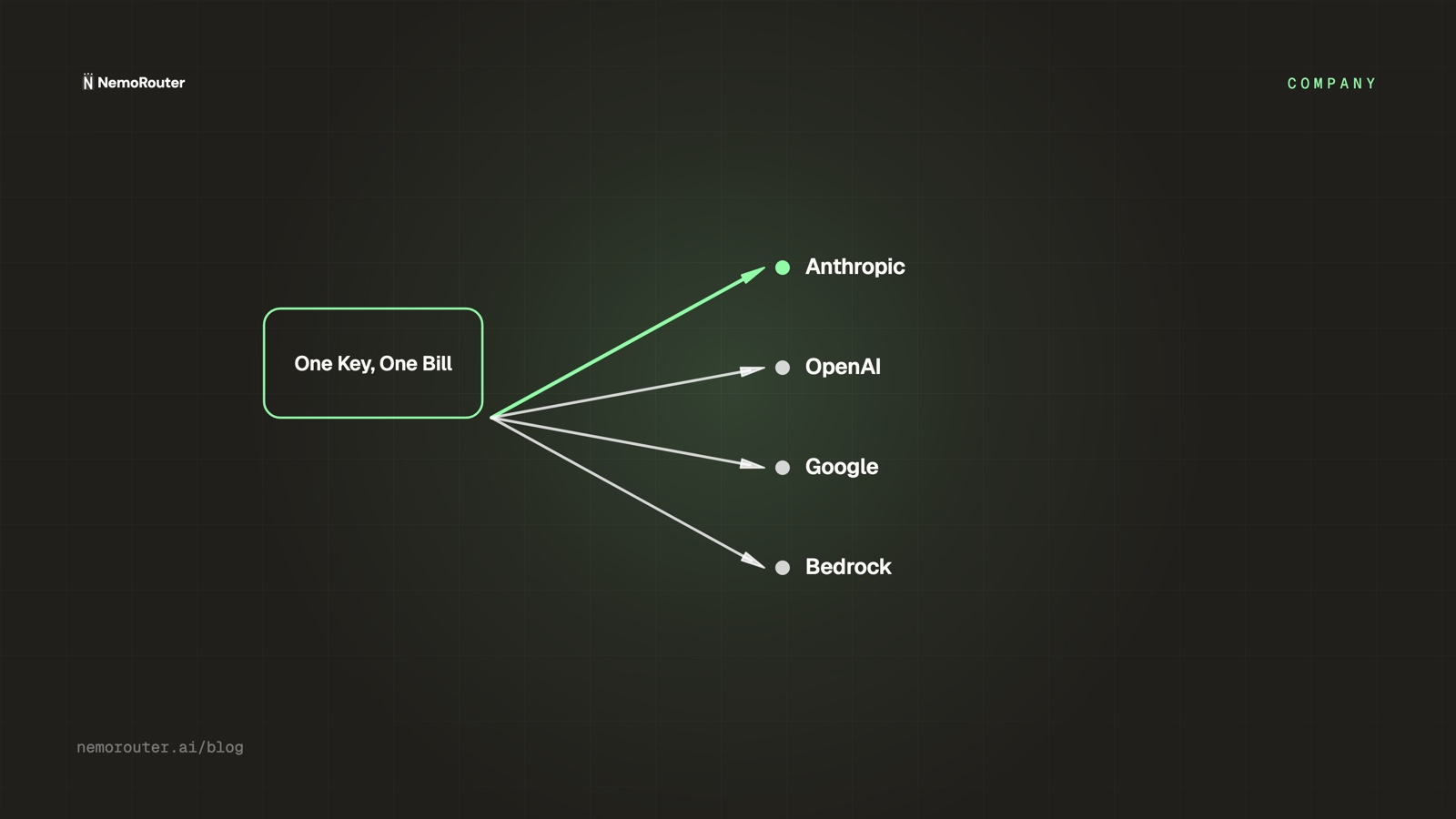
The engineering case for nRouter: routing is solved, but tenant isolation, non-negative credits, guardrails, and unified billing across providers are not.